
F1 has started becoming too difficult for the smaller teams to compete with the big spenders of the sport. This has led to the top 3 or 4 teams dominating all the races and in turn has led to less exciting racing. The mid pack teams are now nearly the most exciting part as it’s more competitive and less predictable. For this reason, the F1 has decided to completely change the rules to make it more competitive and giving the smaller teams a more level playing field and making the sport more about the drivers than the cars and in turn making it a lot more exciting for the spectators.
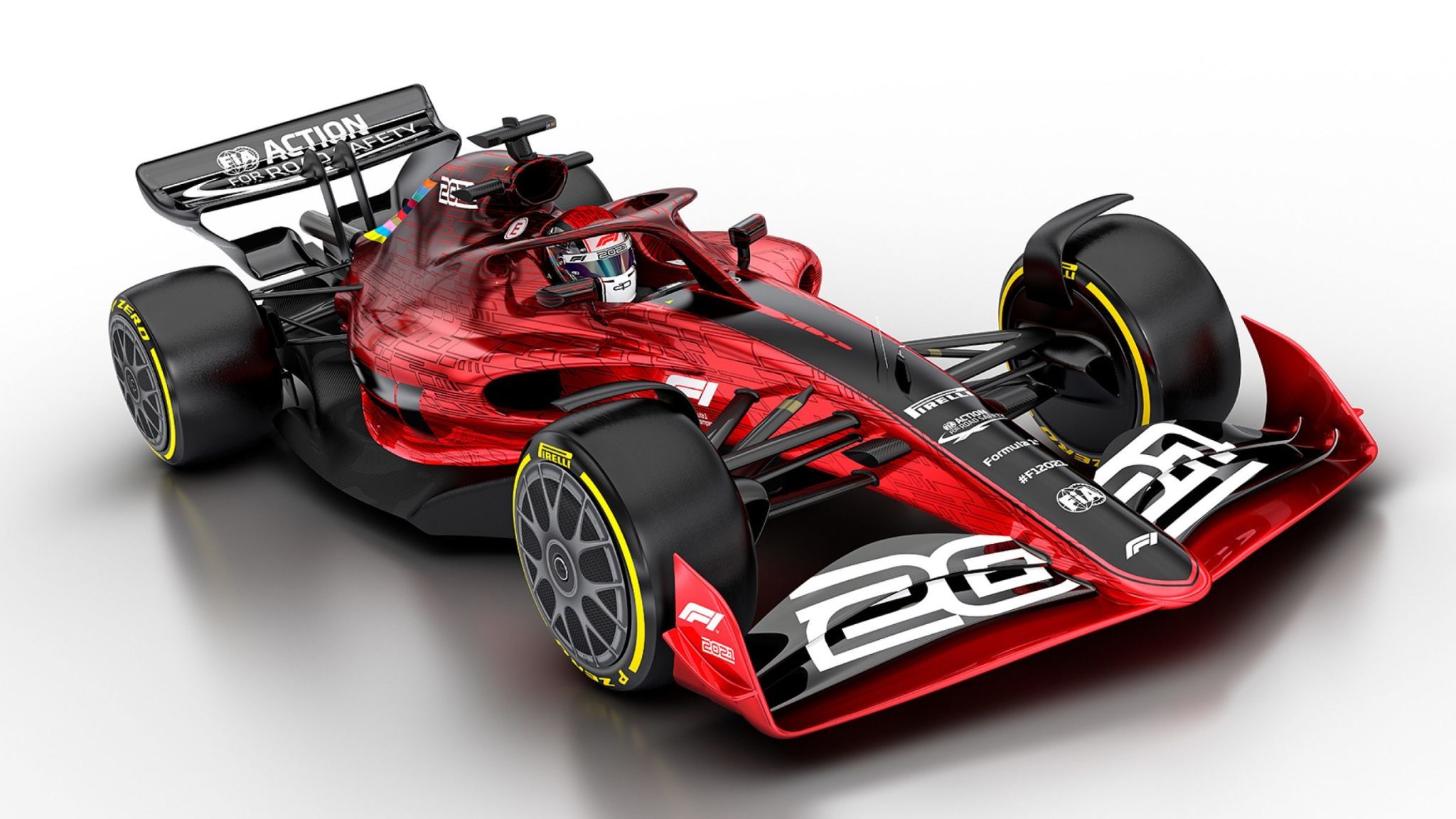
One of the biggest changes in rules is the actual car, it will be completly redesigned. One of the most significant changes is the reintroduction of ground effect cars, which has been banned in the sport since 1982. This and a few other new designs like new wheel wake control devices are being implemented to reduce the amount of “dirty air” being given off by the cars in front. This means the car behind is losing downforce and therefore speed, which makes it very difficult to actually overtake the car in front. In 2019 the car would lose 40% of its downforce from trying to overtake the car in front. From 2021 with the new design, this should drop to around 5-10%. This will lead to closer racing. The aesthetics of the car have changed also, with a striking new look and new bigger tyres and rims, as can be seen above compared to the current look of the car.
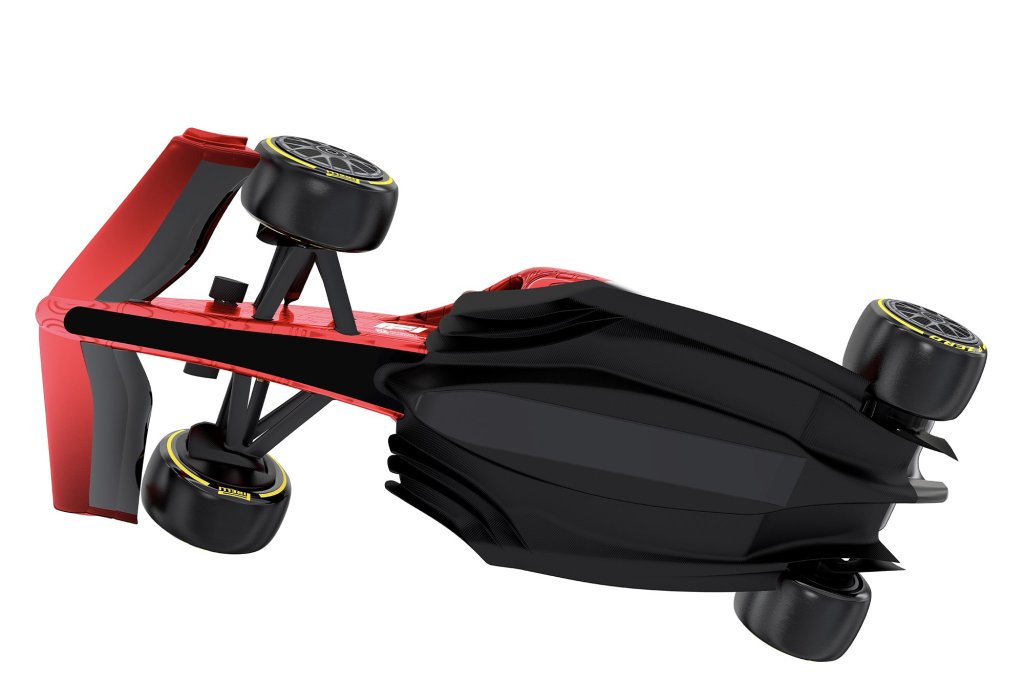
Another change to the rules is the restrictions of fewer upgrades and part changes allowed during a racing weekend. This will make teams have to use different strategies to conserve their parts better to last the whole weekend. There will also be an introduction of more standarised parts, to level the field a bit more. All these changes won’t add to the speed of the cars, but will stop the bigger teams having more technical advantage over the smaller, while also limiting them the amount of parts they can replace. This is again for the benefit of the smaller teams.
The structure for the racing weekend has also changed. With the season expanded to 25 races, the weekend has been condensed to make it easier for the race teams, while also making it a better viewing experience for the viewers. Teams must also race drivers with two Grand Prix or less in at least two practice sessions during the season. This will pave the way for future drivers in the sport.
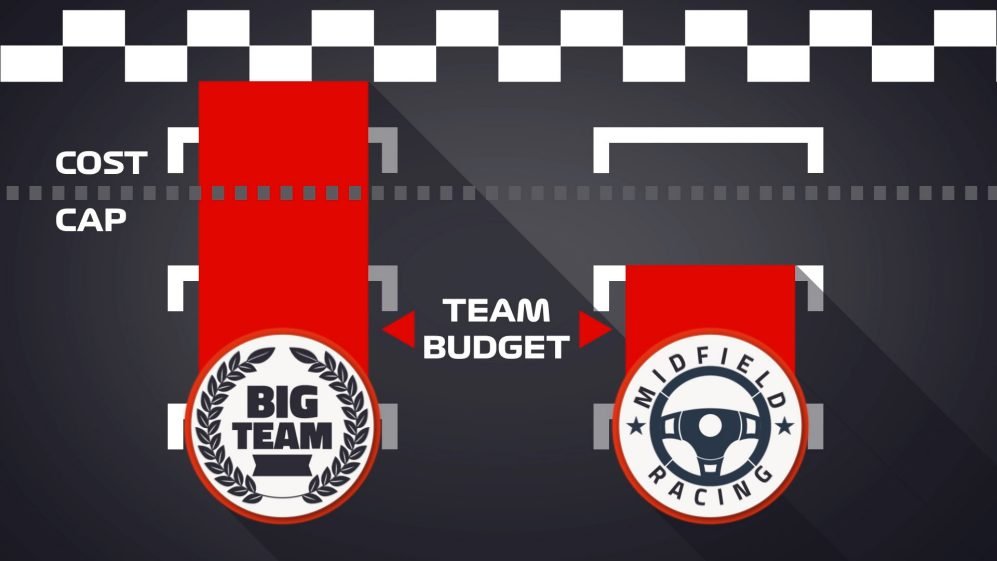
For the first time ever, F1 is going to introduce spending caps. This will be for development of the car and on track performance only and excludes salaries for drivers and marketing. The spending cap will be set at $175 million. This will stop the big teams completly outspending the smaller teams and end the huge spending gap. Smaller teams now have the capabilities to finally compete in the championship. An independent regulator will over see and enforce this new rule change.

