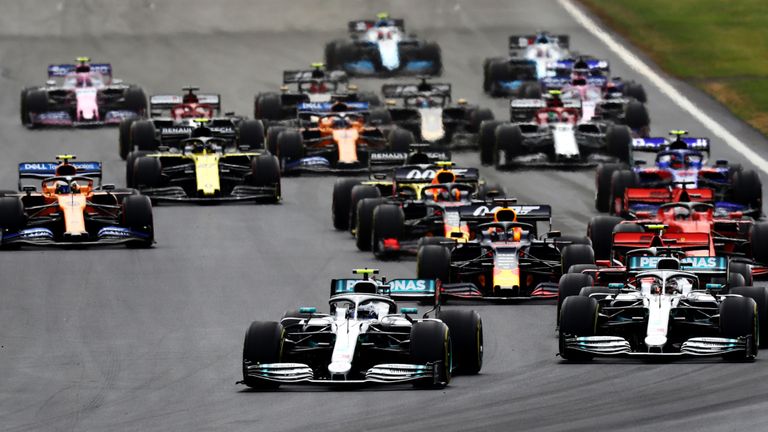
Formula 1 racing has been at the forefront of innovation since its beginnings in 1950. Over the past 70 years the sport has contributed to society with constructors making leaps and bounds in the safety and efficiency of cars. Formula 1 has provided a platform for highly competitive innovation in technology. The desire to win drives teams to research and develop the finest details on their cars to gain any slight advantage over their competitors.

F1 began in a society where fast cars were new to the world. The technology they used in the cars were mainly for power and straight line speed. The sport was a spectacle and quickly attracted a lot of attention from media and then grew in popularity. This lead to major sponsorship deals, this meant teams had more money to spend on the cars. The cars grew more powerful and in turn more difficult to control. The sport became notorious for driver deaths and almost became part of the culture with media portraying the drivers as brave warriors taking on a highly dangerous mission.
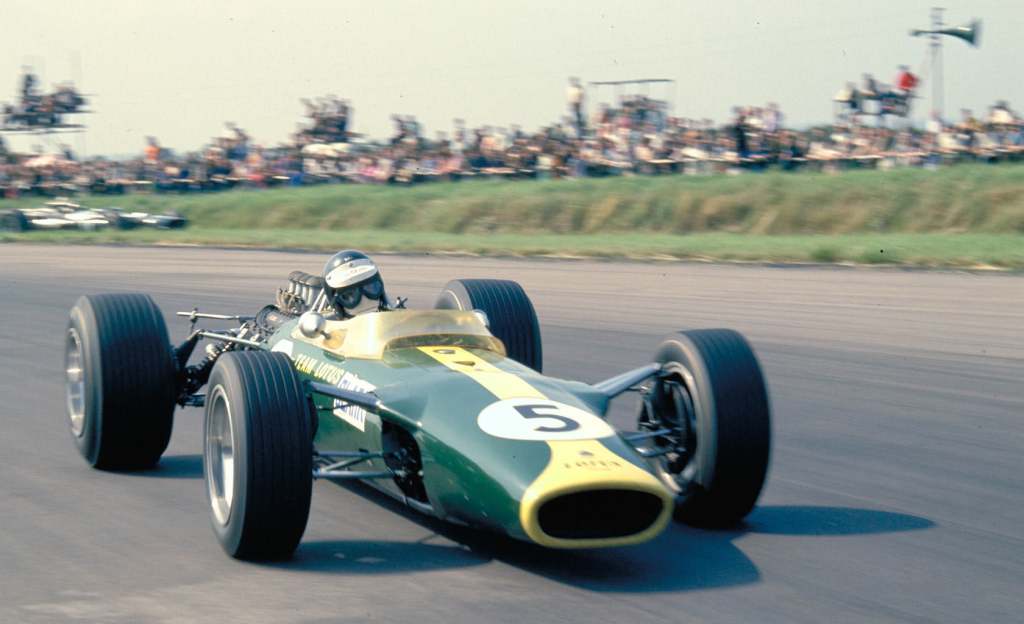
With many driver deaths, concerns grew over the safety of the cars. Through the 1960s, car designers realized that putting the engine behind the driver would help put the power down to the ground and this innovation further increased speed but more importantly it provided the car with more grip around corners, reducing the chances of a car sliding out into a wall. The 1960s also provided the first use of a V6 engine in an F1 car. The innovation came with a huge disadvantage where the fuel was stored all around the driver, creating a high fire risk. And with straw bales being used as safety barriers (highly flammable), many driver suffered horrible injuries and worse.
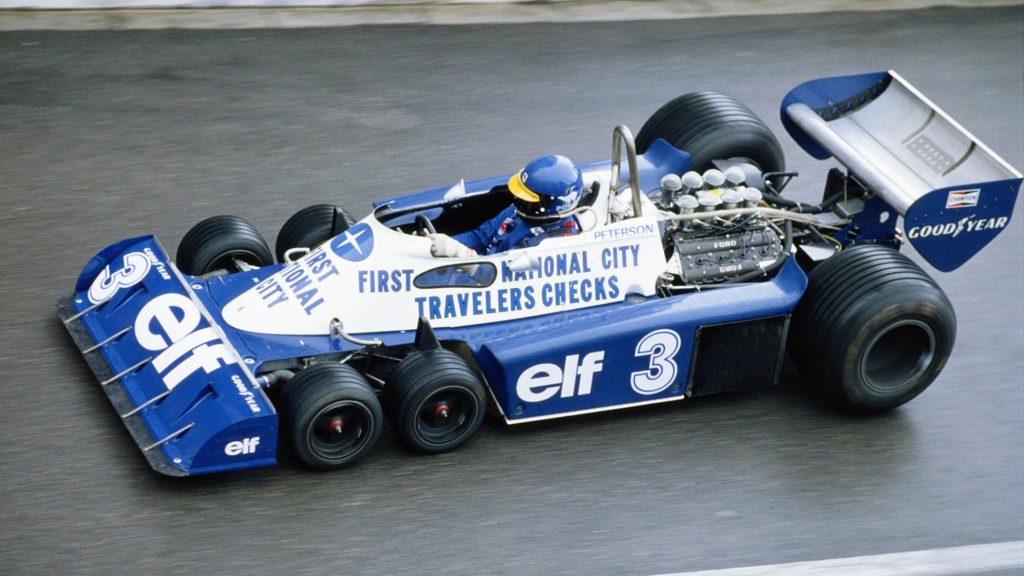
The aerodynamics era began in the 1970s, as manufacturers added “upside-down aeroplane wings” to their cars. This created downforce and allowed cars to take corners much more quickly and it also helped reduce the risk of cars flying into the air on high speed straights. The 1970s gave us the infamous “fan-car”, which used a huge fan to suck air from under the car through the engine (it was quickly banned). We also got the obscure six-wheeled cars, which also didn’t last very long. Through the 80s and 90s the cars developed more sophisticated wings and aerodynamic details. The age-old debate between the safety and the speed of cars was ongoing and brought around a major increase in the details of safety standards with Professor Sid Watkins and many drivers campaigning for it.
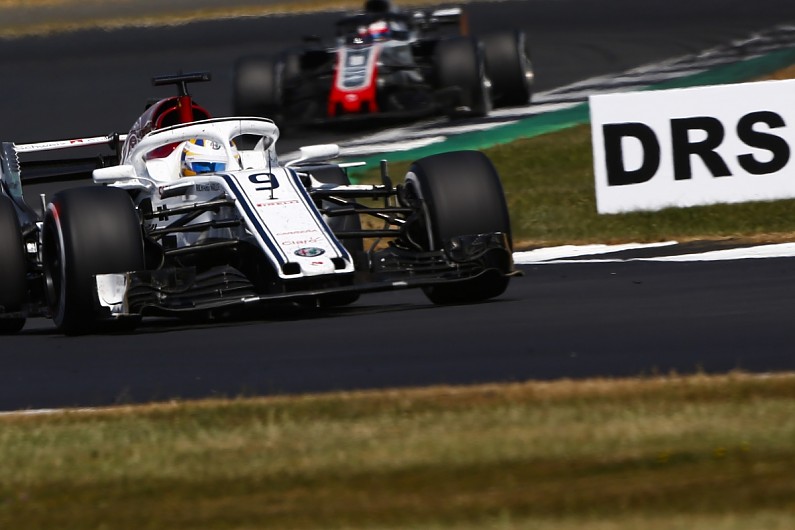
In 1994, the death of the beloved Ayrton Senna caused car designers to rethink the safety of the driver and the driver cockpit was born. As well as the reinforced cockpit, the front nose height came up to provide a better impact resistance. In 2003 an innovation called Head and Neck Support (HANS) further increased the safety of the drivers head. 2009 brought us Kinetic Energy Recovery (KERS), allowing the car to recover lost energy from braking and deploy it out of a corner to increase acceleration. Aerodynamics continued to dominate the appearance of the cars and in 2011 the Drag Reduction Sytem (DRS) was introduced to the world. This was a system allowing the driver to open the downforce wing on the back of the car when on straights to increase the maximum speed. And finally in 2018 the halo became mandatory for all F1 cars for the protection of drivers in the case of the car flipping over.
F1 continues to improve cars year on year, with major manufacturers such as Mercedes, Ferrari and Red Bull pushing the boundaries of the rules set out by the Federation Internationale de L’Automobile (FIA). Mercedes have introduced an experimental technology changing their steering system for the 2020/2021 season. The FIA are currently reviewing the technology to determine if it is within the rules and if it is withing the rules and the testing of the car proves that it is beneficial to Mercedes, there will be a scramble from the other teams to try copy the tech for their own car. The rules are being overhauled in a major way for the 2021/2022 season which will require car manufacturers to get their thinking minds active once again.
 Match Point