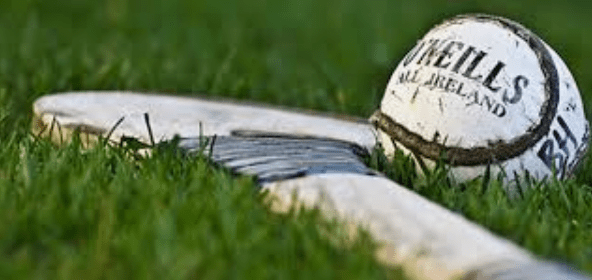
In Hurling the design of the sliotar has changed over the years. At first it was made of wood, leather and even animal hair. There was no regulations on the size, weight or even material of the sliotar. This led to teams playing each other often debating about what size sliotar to use for the match. Due to the balls inconsistencies and poor manufacturing it often led to the ball losing shape and becoming soggy bacause of the material it was made from.
Johnny McAuliffe came up with the first modern design of the sliotar. The ball was made from cork and covered with two pieces of leather, making the ball more consistant, hard wearing and water resistant. The GAA also trialed a rubber ball in the early 2000 but this ball had a lot more bounce and also moved faster than the cork-cored ball.
As seen in recent years, players are now able to hit the ball much faster and further. This has cut out a lot of the play of possession and tackling. We’re now seeing the ball regularly being struck from the backline and going over the bar. This used to be a rare sight only the best players could do, but now your average player in a club match can do this.
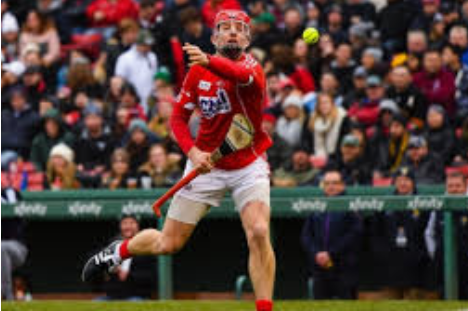
This is down to manufacturers designing the ball to be hit as far as possible. They do this to sell more balls to players, as everyone wants to look good and be able to hit the ball as far as possible. Manufacturers for years have been incorrectly using the official GAA mark. This has led to the huge distances the players are striking the ball in matches in recent years.
Another problem with all the matches being played on television is the white coloured ball is very hard to see when its hit in the air and is against the clouds. As a viewer you just have to guess where the ball actually is.
To combat these problems the GAA has partnered with DMF system to better control the quality and performance of the sliotars by placing a Near Field Communications tag in each sliotar. This NFC tag can be linked to an app on your phone to see if the sliotar is up to standard and is official. This will allow the GAA to have tighter control over its balls and hopefully bring the striking distance of the ball in the game down.

Valerie Kennely, an optometrist, also advised on a colour change from the traditional white it has become over the years. Yellow has been chosen as the new colour to use. This has followed tennis, which changed the colour of there ball to yellow to make it easier to view on television. Although there’s some opposition to this colour change, it will benefit players and and spectators alike.
 Match Point
Nice to see that technology is putting some needed constraints on the game to make it a more enjoyable spectacle!
LikeLiked by 1 person