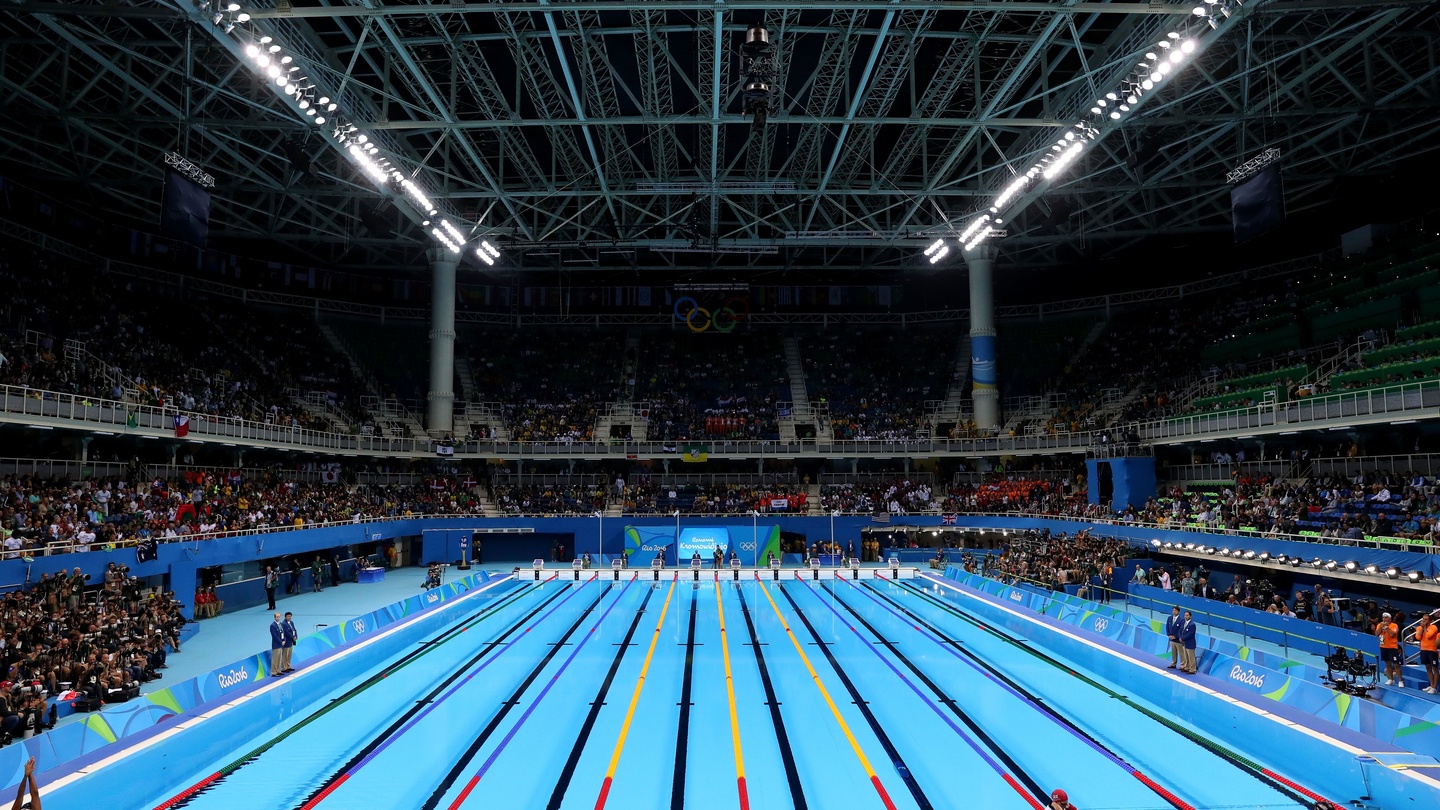
In competitive swimming, the biggest change since the beginning of competitions is the swimwear. Athlethes are always looking for the advantge over their rivals. But sometimes this can go too far and there is a need for regulations in the sport to stop these innovations from ruining the integrity of the sport. Innovation is not always good for sport and this is what happened to competitive swimming in the 2008 Olympics.
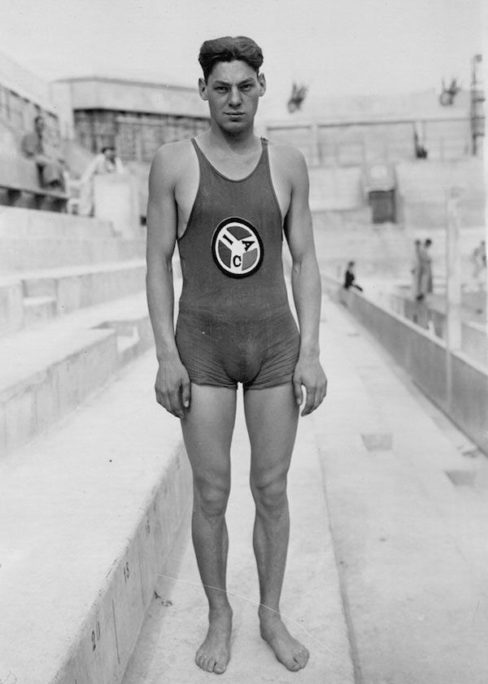
Originally men and women wore full swim suits made from cotten and wool. These suits were heavy and absorbed water making swimming difficult. Not much innovation happened until the 1930s, when Speedo introduced the swimwear ‘Fortitude’, which gave the swimmer better arm movement. When Speedo developed the ‘Racerback’ swimsuit in 1932 it caused controversy as it expoesed women’s shoulders. Clare Dennis swam a world record time 200m breaststroke wearing this swimsuit at only 16. This showed the type of swimsuit you wore had a major impact.
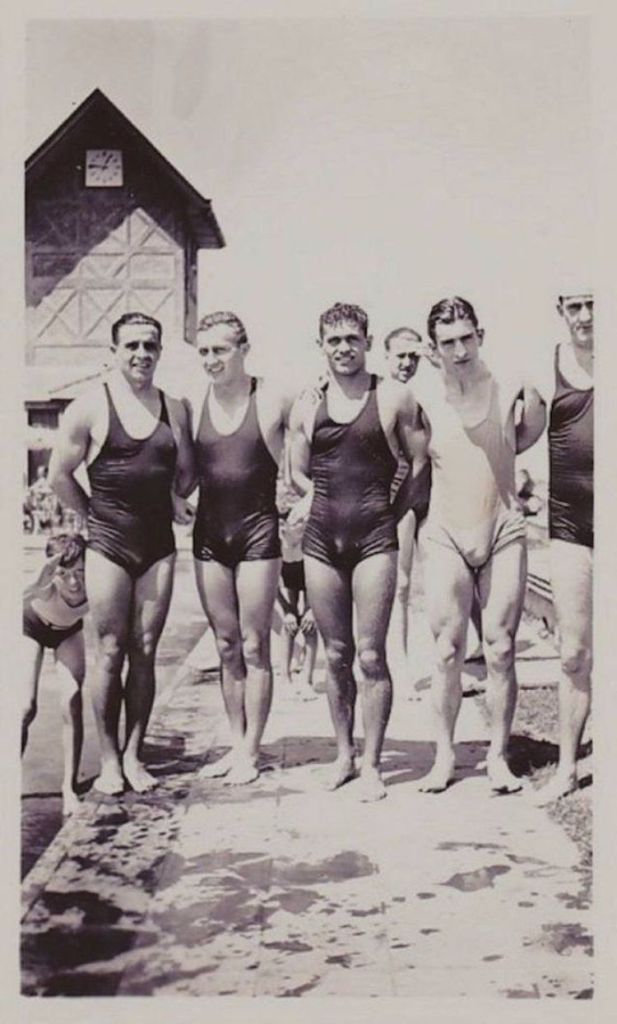
From the 1930s, men no longer wore the full suit swimwear but switched to trunks and wore as little material as possible as it was still made from material that dragged a lot. The first magor upgrade to material was the introduction of Nylon in the early 1950s. This materila was lighter, stronger and had less friction with the water. As this material improved it was found that it had less friction with the water than skin. So full body suits became the norm in the second half of the century only leaving the arms and shoulders exposed for freer movement.

In 2000 Speedo introduced ‘Fastskin’ suit. This was designed to be more streamlined and mimic shark skin. This was again to make the swimmer as slippy as possible making them faster. This swim suit also compressed your body to make the body aerodynamics of the body better and incereasing speed. The year this was introduced 14 out of 16 new records beaten that year were from the swimmers wearing the ‘Fastskin’ suit.
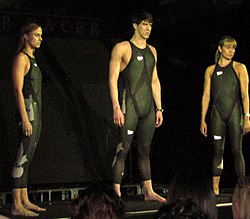
Controversy struck in 2008 when Speedo introduced its new ‘LZR’ suit, made from polyurethane this suit made the swimmer more bouyant and reduced the drag of the swimmer by up to 8%. Since the introduction over 200 world records were set in just over 2 years before this suit was banned by the governing body. These records still stand and will be very hard to beat without using the same suits that are now worn. After this happened new regulations in swimming were introduced banning non-textile materials and having restrictions on the buoyancy, thickness and design of the suit.
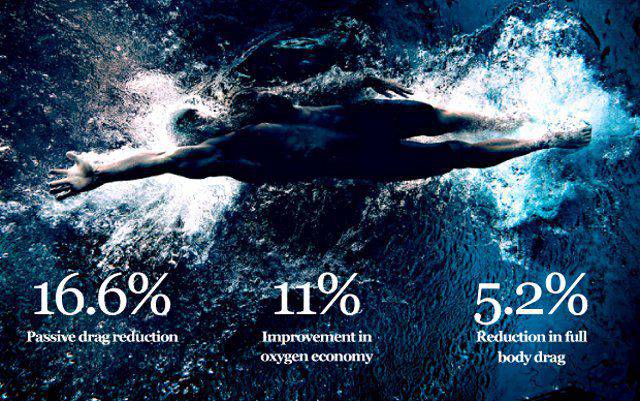
Speedo again are trying to push the boundaries for the upcoming Olympics this year, with their new ‘LZR Pure Intent’. This new suit again will aim to make the swimmer more streamline and reduce drag. Can new swimsuits really improve much with the new regulations or will swimmers have to rely on their ability over better swimwear.
 Match Point